Back to Renal / Urologic

Renal / Urologic

BPH / Prostate

Prostate artery embolization (PAE) is a minimally invasive treatment that helps improve lower urinary tract symptoms caused by a Benign Prostatic Hyperplasia (BPH).
Prostate Artery Embolization (PAE)

Prostate artery embolization (PAE) is a minimally invasive treatment that helps improve lower urinary tract symptoms caused by a Benign Prostatic Hyperplasia (BPH).

  • IRCenters

    Prostate Artery Embolization (PAE): A Non-Surgical Treatment for Enlarged Prostate

    Watch Now

  • IRCenters

    Prostate Artery Embolization (PAE) - Patient Testimonial

    Watch Now
  • IRCenters

    PAE Patient Explanation

    Watch Now
PAE: Procedural Details

PAE is performed by an Interventional Radiologist through a small catheter inserted into the artery in your wrist or groin. The interventional radiologist will then guide the catheter into the vessels that supply blood to your prostate.

  • Tiny round microspheres (particles) are injected through the catheter and into the blood vessels that feed your prostate to reduce its blood supply
  • Following this procedure, the prostate will begin to shrink, relieving and improving symptoms usually within days of the procedure

What are the advantages of PAE?

  • No surgical incision or device inserted into the urethra
  • Performed in an outpatient setting under “twilight sleep” with no general anesthesia
  • Painless procedure lasting approximately 1 hour
  • Very low complication rate and no reports of impotence or incontinence after PAE
  • Symptom improvement occurs 2-3 weeks after the procedure
  • Return to full activity within one week

By the Numbers

  • As many as 14 million men in the United States have symptoms of BPH
  • 80-90% effective in the reduction of symptoms
  • 5-7 years durability for relief of symptoms
  • By age 60, 50% of men will have some signs of BPH

Aquablation

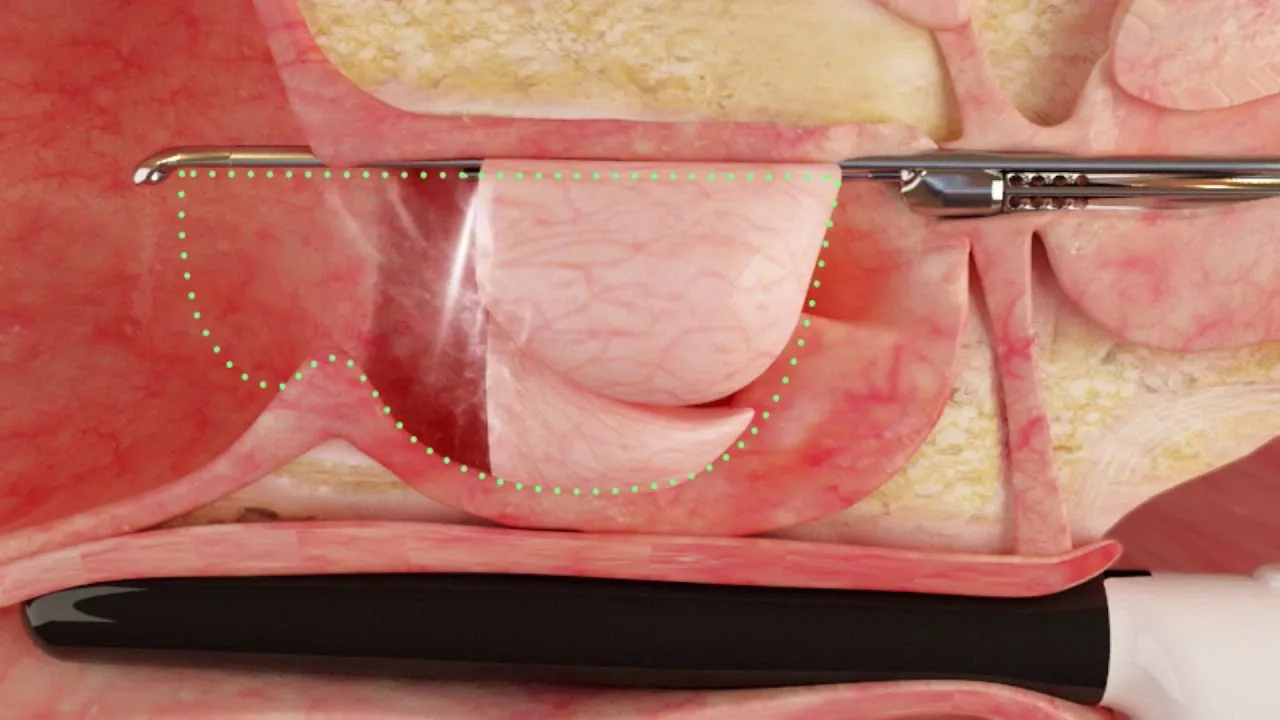
Aquablation is a robotically-assisted water pressure mediated treatment that helps improve lower urinary tract symptoms caused by a Benign Prostatic Hyperplasia (BPH).

  • IRCenters

    Aquablation Therapy Step 2 - Removing the Prostate Tissue

    Watch Now
  • IRCenters

    Enlarged Prostate? Expert Dr. Sandeep Bagla Answers the Most-Asked Questions About BPH

    Watch Now
  • IRCenters

    Aquablation for Enlarged Prostate: Dr. Inderjit Singh Explains All About This BPH Treatment

    Watch Now

Aquablation: Procedural Details

Aquablation therapy is a treatment for an enlarged prostate or BPH. It is performed with robotic assistance and utilizes water power to improve the caliber of the prostatic urethra. This technology allows for the resection of prostatic tissue that may be causing your symptoms. No incision is made as is performed in open surgery, and the prostate is reached through the urethra/penis.

During this procedure, a camera is often utilized in conjunction with ultrasound to provide real-time imaging of the prostate. It offers precise, consistent and predictable results for prostates of varying sizes. This treatment offers a very low complication rate of incontinence, ejaculatory dysfunction and erectile dysfunction. We provide comprehensive men's health care.

What are the advantages of Combination Therapy?

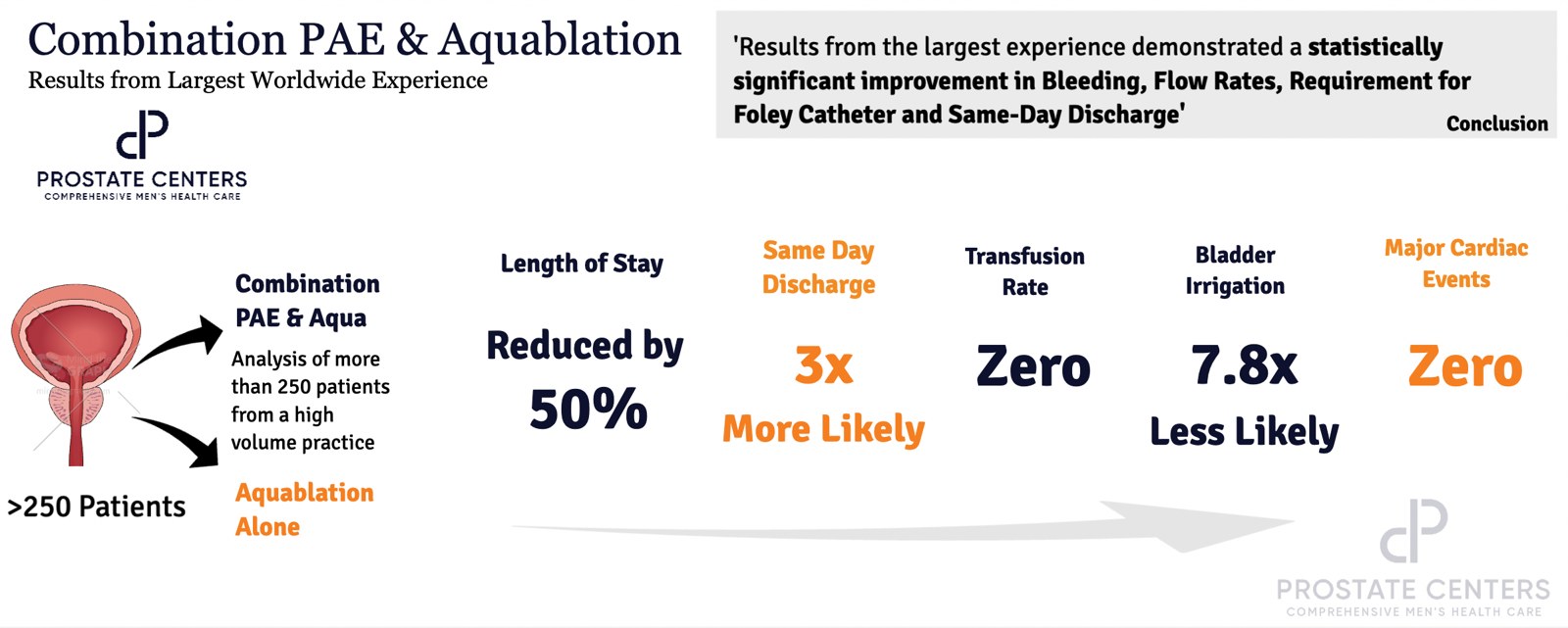
Combination PAE and Aquablation, results from more than 250 patients: length of stay reduced by 50%, same-day discharge 3 times more likely, zero transfusions, bladder irrigation 7.8 times less likely, and zero major cardiac events, compared with Aquablation alone.

Urolift

Urolift utilizes tiny metallic implants which hold open the prostatic urethra which is obstructing or blocking urine flow.

Urolift: Procedural Details

The urolift treatment is performed on an outpatient basis and utilizes tiny metallic implants which hold open the prostatic urethra which is obstructing or blocking urine flow. The device is placed through the obstructed urethra to access the large prostate and may provide a fast and reliable symptom relief by opening the obstructed urethra.

This treatment has a better risk profile than typical surgical procedures (TURP) that may have serious complications in a long painful recovery. It is most appropriately performed in prostate glands that are less than 80 g and those without an enlarged median lobe.

Rezum

Rezum is a steam based treatment performed via the urethra which delivers energy to the prostate tissue causing it to resorb.

  • IRCenters

    How does Rezūm Water Vapor Therapy work?

    Watch Now

Rezum: Procedural Details

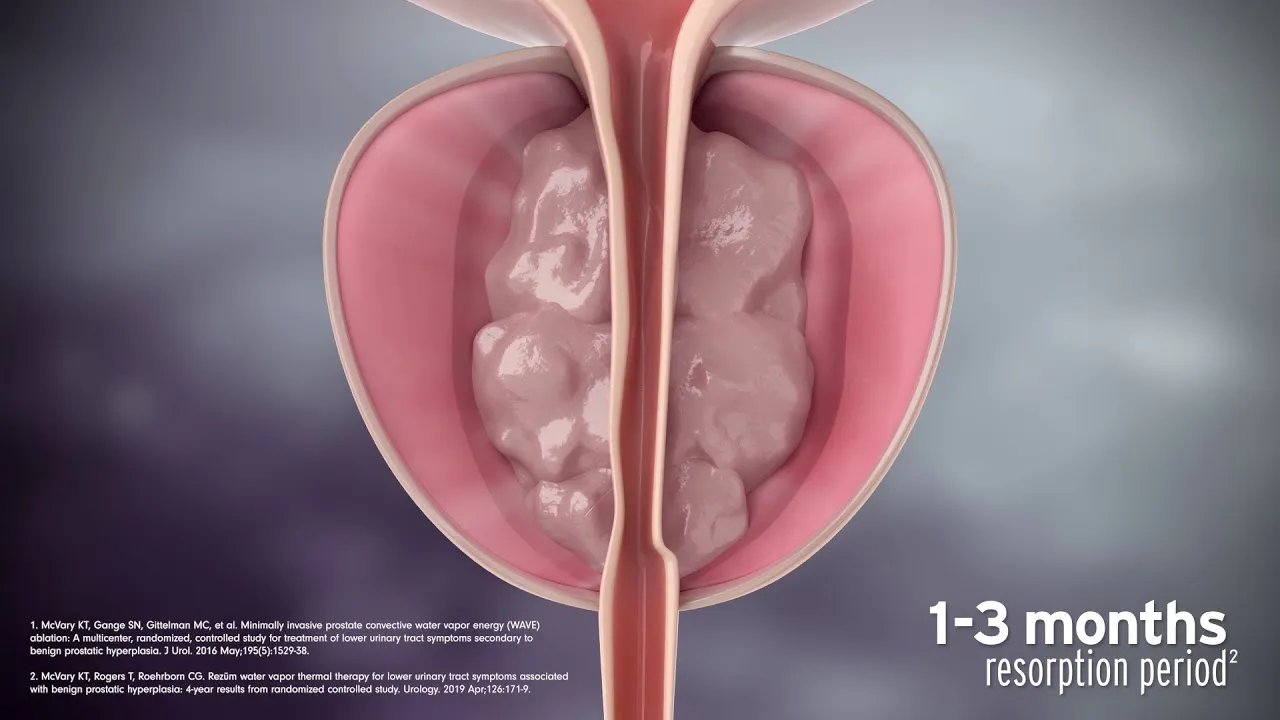
Rezum Water Vapor therapy is an office based procedure which utilizes the natural energy stored in water vapor or steam to remove excess prostatic tissue that is pressing on the urethra and obstructing urinary flow. The prostatic tissue was accessed through the urethra/penis. The energy is delivered into the prostatic tissue which then subsequently is reabsorbed after treatment. This allows for the urethra to open and allow better passage of urine, reducing symptoms from an enlarged prostate.

Frequently Asked Questions

BPH

What Is BPH?

Benign prostatic hyperplasia (BPH) is an enlargement of the prostate gland affecting about 50% of men by age 60, and up to 90% of men by age 85. This enlargement can compress the urethra, reducing the flow of urine from the bladder, and sometimes blocking it entirely. The symptoms of BPH include:

  • Urinary frequency
  • Irregular flow
  • Urgency
  • Weak stream
  • Straining
  • Getting up at night to urinate
What Happens When BPH Is Left Untreated? Are There Any Long-Term Risks?

If left untreated, BPH can lead to permanent bladder damage. When the bladder does not empty completely, the risk of developing urinary tract infections (UTIs) may increase. Other serious problems can also develop over time, including bladder stones, blood in the urine, incontinence, or urinary retention.

When Should I Seek BPH Treatment?

You may want to seek BPH treatment if you experience BPH symptoms such as urgent need to urinate, difficulty starting your urine stream, need to push or strain when urinating, dribbling, the sensation that the bladder is not empty after urinating, weak urine flow, increased frequency of urination, frequent nighttime urination, burning or pain during urination.

Is BPH A Type Of Cancer?

No, BPH (Benign Prostatic Hyperplasia) is a benign condition and unrelated to prostate cancer; however, it can greatly affect a man’s quality of life. BPH is NOT a type of cancer.

PAE

How Long Is The Procedure?

At our institution, the procedure on average lasts approximately 45 minutes. We do have the patient stay with us for approximately 2 hours after the procedure to recover and then they are discharged home.

How Many Of These Procedures Have You Performed?

At IR Centers and Prostate Centers USA, our team is led by the physicians who started APE in the US more than 10 years ago and have performed more than 3000 PAE procedures, which is the largest experience in the United States. We routinely perform 10 or more procedures in each center each week. The team of physicians have been involved in technical and medical advancements of the procedure over last decade including improving safety, outcomes, and success rates from PAE. When choosing a minimally invasive procedure, it is critical to choose the most experienced team.

Can I Drive Home After The Procedure?

No, you may not drive until the following day as you likely will have received some degree of sedation medicine. Someone else may drive you to and from the procedure. If you were coming from out of town, we asked that you stay locally the night of the procedure.

Is The Procedure Covered By My Insurance?

Most insurances cover this procedure. We have an in office insurance coordinator who will take care of any necessary preauthorization that is required. Coverage is also based on your individual clinical history and situation, therefore we will perform this predetermination following your consultation.

Do I Need To Get Any Blood Work Prior To The Procedure?

This will be determined at the time of your consultation, however we do not routinely perform blood work on every patient. This is performed on an individual case by case basis.

Do I Need To Have Any Preoperative Imaging Performed Such As A CT Scan Or MRI?

We typically do not require preoperative imaging of the arteries as our experience with the procedure is so vast that we can perform this without requiring patients to undergo unnecessary radiation exposure or or expense. There are rare circumstances that would require imaging prior to the procedure.

What Are The Side Effects?

In our clinical studies, the most common side effects reported were mild to moderate and include pain or burning with urination, blood in the urine, urgency to urinate. Most symptoms resolve within two after the procedure.

Aquablation

What Happens During The Aquablation Procedure?

Aquablation therapy is performed in a hospital. You will be under anesthesia for the entire procedure. The procedure typically takes less than an hour and involves an overnight stay. There are two key steps to the procedure—creating a surgical map and removing the prostate tissue.

What Happens Immediately After The Aquablation Therapy?

As with most BPH procedures, you will wake up with a catheter following Aquablation therapy, which allows you to urinate while your urethra heals. Patients typically stay overnight in the hospital. While no one likes staying overnight in a hospital, the benefit with Aquablation therapy is that most patients end up leaving the hospital without a catheter.1,2,3 References:

  1. Gilling, P, et al. Three-Year Outcomes after Aquablation Therapy Compared to TURP: Results from a Blinded Randomized Trial. Can J Urol. 2020 Feb;27(1):10072-10079.
  2. Bhojani, N, et al. Aquablation for Benign Prostatic Hyperplasia in Large Prostates (80-150 cc): 1-Year Results. Urology. 2019 Jul;129:1-7.
  3. Data on file at PROCEPT BioRobotics.
What Is Recovery Like After Aquablation Therapy?

As with most BPH procedures, you will wake up with a catheter following Aquablation therapy, which allows you to urinate while your urethra heals. Patients typically stay overnight in the hospital. While no one likes staying overnight in a hospital, the benefit with Aquablation therapy is that most patients end up leaving the hospital without a catheter.1,2,3 Once you’re home, you may experience mild burning during urination for a couple of weeks. This can be managed with mild pain medication. Patients can resume their normal activities once approved by their doctor. References:

  1. Gilling, P, et al. Three-Year Outcomes after Aquablation Therapy Compared to TURP: Results from a Blinded Randomized Trial. Can J Urol. 2020 Feb;27(1):10072-10079.
  2. Bhojani, N, et al. Aquablation for Benign Prostatic Hyperplasia in Large Prostates (80-150 cc): 1-Year Results. Urology. 2019 Jul;129:1-7.
  3. Data on file at PROCEPT BioRobotics.
What Is The Cost Of Aquablation Therapy?

The cost of Aquablation therapy will depend on what country you live in and what type of insurance you have.

Does My Insurance Cover Aquablation Therapy?

For patients in the United States, two of the major national private insurance companies (Anthem and Humana) have issued positive coverage policies for its patients. For all other private insurance companies, coverage can be assessed on an individual basis, and you should speak with your provider directly to determine if Aquablation therapy is available for you. For patients outside of the United States, reimbursement and coverage vary by geography. We recommend patients contact their local physician providers to determine if Aquablation therapy is available.

What Is Aquablation Therapy?

Aquablation therapy is a one-of-a-kind procedure. It is the only procedure that uses a heat-free waterjet controlled by robotic technology to remove prostate tissue and combines a camera (called a cystoscope) with ultrasound imaging, giving the surgeon the ability to see the entire prostate in real time. As a result, Aquablation therapy is precise, consistent and predictable and provides long-term relief no matter how large your prostate is, and has a very low rate of irreversible complications—incontinence, ejaculatory dysfunction, erectile dysfunction.1,2 References:

  1. Gilling, P, et al. Three-Year Outcomes after Aquablation Therapy Compared to TURP: Results from a Blinded Randomized Trial. Can J Urol. 2020 Feb;27(1):10072-10079.
  2. Bhojani, N, et al. Aquablation for Benign Prostatic Hyperplasia in Large Prostates (80-150 cc): 1-Year Results. Urology. 2019 Jul;129:1-7.
Who Is An Appropriate Candidate For Aquablation Therapy?

Aquablation therapy has been proven as a safe and effective treatment for patients suffering from lower urinary tract symptoms (LUTS) due to BPH. Aquablation therapy can be performed on prostates of any size.

Who Performs Aquablation Therapy Surgery?

Your urologist performs Aquablation therapy using the AquaBeam Robotic System. The procedure takes place in a hospital.

When our team performs embolization prior to Aquablation therapy, the PAE will be performed by a Vascular Interventional Radiologist

How Common Is Aquablation Therapy Surgery?

Aquablation therapy is commercially available in the United States, Canada, Europe, United Kingdom, the Middle East and Asia.

Is Aquablation Therapy FDA Approved?

Yes, Aquablation therapy is performed by the AquaBeam Robotic System, which was cleared by the FDA in December 2017.

Does Aquablation Therapy Have CE Mark?

Yes. Aquablation therapy is performed by the AquaBeam Robotic System, which received CE Mark in 2014.

What Are The Risks Associated With Aquablation Therapy?

The most common side effects are mild and temporary. These may include mild pain, bleeding or strain while peeing, discomfort in the pelvis, inability to empty the bladder, a frequent and/or urgent need to urinate, and bladder or urinary tract infection. Other risks include ejaculatory dysfunction and a low risk of injury to the urethra or rectum. For more information about potential side effects and risks associated with Aquablation therapy, speak with your urologist or surgeon.

With the most significant risk in clinical studies being bleeding, the team has worked to improve this outcome by performing PAE or embolization prior to Aquablation. This has been performed with clinical results showing an improvement in bleeding rate, discharge to home, and complications compared to published studies.

What Are The Clinical Results?

Aquablation therapy has been studied in seven different clinical trials. It has been shown to be a safe and effective treatment for patients suffering from lower urinary tract symptoms (LUTS) due to BPH. Aquablation therapy can be performed on prostates of any size. References:

  1. NCT03191734 – French Aquablation Clinical Investigation Using Waterjet Ablation Therapy for Endoscopic Resection of Prostate Tissue
  2. NCT03123250 – Waterjet Ablation Therapy for Endoscopic Resection of Prostate Tissue II (WATERII)
  3. NCT02974751 – Global Post-Market Registry Using Waterjet Ablation Therapy for Endoscopic Resection of Prostate Tissue (OPEN WATER)
  4. NCT02505919 -Waterjet Ablation Therapy for Endoscopic Resection of Prostate Tissue (WATER)
  5. NCT03167294 – AquaBeam India Study for the Treatment of Benign Prostatic Hyperplasia (ABS)
  6. NCT03125863 – Acute Hemostasis Following the Use of the AquaBeam® System for the Treatment of Benign Prostatic Hyperplasia (AHA)
  7. NCT03125889 – Acute Hemostasis Following the Use of the AquaBeam® System for the Treatment of Benign Prostatic Hyperplasia II (AHA II)
What Is The AquaBeam Robotic System?

The AquaBeam Robotic System performs Aquablation therapy.

Why Is The AquaBeam Robotic Surgery Better?

Aquablation therapy is a one-of-a-kind procedure. It is the only procedure that uses a heat-free waterjet controlled by robotic technology to remove prostate tissue and combines a camera (called a cystoscope) with ultrasound imaging, giving the surgeon the ability to see the entire prostate in real time. As a result, Aquablation therapy is precise, consistent and predictable and provides long-term relief no matter how large your prostate is. It has a very low rate of irreversible complications—incontinence, ejaculatory dysfunction, erectile dysfunction.1,2 References:

  1. Gilling, P, et al. Three-Year Outcomes after Aquablation Therapy Compared to TURP: Results from a Blinded Randomized Trial. Can J Urol. 2020 Feb;27(1):10072-10079.
  2. Bhojani, N, et al. Aquablation for Benign Prostatic Hyperplasia in Large Prostates (80-150 cc): 1-Year Results. Urology. 2019 Jul;129:1-7.
Does The Treatment Impact Sexual Function?

Aquablation therapy has a very low rate of irreversible complications (incontinence, ejaculatory dysfunction, erectile dysfunction).1,2 References:

  1. Gilling, P, et al. Three-Year Outcomes after Aquablation Therapy Compared to TURP: Results from a Blinded Randomized Trial. Can J Urol. 2020 Feb;27(1):10072-10079.
  2. Bhojani, N, et al. Aquablation for Benign Prostatic Hyperplasia in Large Prostates (80-150 cc): 1-Year Results. Urology. 2019 Jul;129:1-7.
What Are The Side Effects?

Once you’re home, you may experience mild burning sensation and urgency during urination for a couple of weeks. This can be managed with mild pain medication. Patients can resume their normal activities once approved by their doctor.

UroLift

Who Is A Good Candidate For The UroLift® System Treatment?

You may be a good candidate if you are a male, 45 years of age or older, and have symptoms relating to BPH. Speak with your urologist to see if the UroLift® System treatment is right for you. If you have a known allergy to nickel, titanium or stainless steel, talk to your doctor about your allergy before getting a UroLift System treatment.

What Is The UroLift System Treatment?

The FDA-cleared UroLift System is the only treatment that uses the Prostatic Urethral Lift (PUL) procedure. The UroLift System treatment is a proven, minimally invasive approach for treating lower urinary tract symptoms due to benign prostatic hyperplasia (BPH) that can get men off BPH medications and avoid major surgery. The UroLift System’s permanent implants, delivered during a minimally invasive outpatient procedure, relieve prostate obstruction and open the urethra directly without cutting, heating, or removing prostate tissue. As with any medical procedure, individual results may vary. Speak with your urologist to see if the UroLift System treatment is right for you. Most common side effects are mild to moderate and include pain or burning with urination, blood in the urine, pelvic pain, urgent need to urinate and/or the inability to control the urge. Most symptoms resolve within two to four weeks after the procedure.

How Does The UroLift System Work?

The UroLift System consists of a delivery device and tiny permanent implants.

  1. The UroLift Delivery Device is placed through the obstructed urethra.
  2. Small UroLift Implants are placed to lift or hold the enlarged prostate tissue out of the way. The Implants are delivered through a small needle that comes out of the delivery device and into the prostate.
  3. The UroLift Delivery Device is removed, leaving an open urethra that provides symptom relief. One unique aspect of the UroLift System is that it does not preclude retreatment or BPH treatments such as TURP or laser, should they be required in the future.
Is The Treatment Permanent Or Can It Be Removed?

The Implants are intended to be permanent. The implant is made up of standard surgical implantable materials: a nitinol capsular tab, a stainless steel urethral tab, and polyethylene suture that holds the two tabs together. Your doctor can remove the urethral implant, if needed. The suture can be cut and the urethral endpiece can be retrieved with a standard grasper. The capsular tab will remain in place inside the body.

What Is The UroLift Delivery Device?

The UroLift Delivery Device is a single-use, sterile medical device that contains one UroLift Implant. Patients typically require 4-6 implants during a UroLift System treatment. The Delivery Device is inserted transurethrally through a rigid sheath under cystoscopic visualization in order to reach the targeted area of obstruction.

What Is The UroLift Implant?

The UroLift Implants are small permanent implants that hold the obstructing prostatic lobes apart. They are deployed through a needle that comes out of the delivery device. Each implant is made with common implantable materials: nitinol, stainless steel, and suture. Typically, 4-6 implants are placed into the prostate.

What Examinations Do I Need Prior To The UroLift System Treatment?

The examination performed will be determined by your physician. The physician will likely ask you to fill out a questionnaire to assess your symptoms, otherwise known as IPSS (International Prostate Symptom Score). Additionally, some of the common examinations include Digital Rectal Exam (DRE), Transrectal Ultrasonography (TRUS), Bladder Ultrasound, and Urinalysis.

Who Performs The UroLift System Treatment?

A urologist, a doctor who specializes in the treatment of diseases of the urinary system and sex organs, uses the UroLift System to treat urinary symptoms due to BPH. Comprehensive training is provided to the urologist prior to using the UroLift System.

What Happens Post-Treatment, During The Recovery Period? Are Meds Required?"

After the treatment, patients typically go home the same day without a catheter. There is minimal downtime post-treatment and many patients experience symptom relief in as early as 2 weeks. Patients may experience some urinary discomfort during the recovery period. The most common side effects may include blood in the urine, some pain or discomfort when urinating, some increased urge to go and discomfort in the pelvis that typically resolve within two to four weeks after the procedure.

What Should I Expect During The Treatment? Is It Painful? How Long Does It Take?

If you and your doctor decide that the UroLift System treatment is right for you, your doctor will provide you with more detailed information relating to the treatment. In general, the UroLift System is a minimally invasive treatment that entails minimal downtime. Your doctor will use the UroLift Delivery Device to deploy permanent implants to relieve obstruction caused by the enlarged prostate that is pressing on your urethra. The procedure, which usually takes less than an hour, may be performed under local or general anesthesia and you may be given medication to feel comfortable during the treatment. This typically helps minimize discomfort during the procedure, though everyone’s definition for pain and discomfort varies greatly. Typically, no catheter and no overnight stay is required post-treatment4.

Does The Treatment Affect My Sexual Function?

Clinical studies have shown the UroLift System treatment does not cause new, sustained instances of erectile or ejaculatory dysfunction4. The same cannot always be said of other BPH therapies such as TURP, laser, and even medication.

What Happens If The Implants Need To Be Removed?

The implant is made up of standard surgical implantable materials: a nitinol tab, a stainless-steel tab, and polyester suture that holds the two tabs together. Your doctor can remove the urethral implant, if needed.

Will The Implants Interfere With Having An MRI?

Non-clinical testing has demonstrated that the UroLift Implant is MR Conditional. A patient with this device can be safely scanned in an MR system immediately after placement meeting the following conditions: Static magnetic field of 3.0 Tesla or less Maximum spatial field gradient of 1,500 Gauss/cm (15 T/m) (extrapolated) Maximum MR system reported, whole body averaged specific absorption rate (SAR) of 4 W/kg for 15 minutes of continuous scanning (i.e., per pulse sequence) (First Level Controlled Operating Mode) Under the scan conditions defined above, the UroLift Implant is expected to produce a maximum temperature rise of 2.4°C after 15 minutes of continuous scanning (i.e., per pulse sequence) In non-clinical testing, the image artifact caused by the device extends approximately 15 mm from the UroLift Implant when imaged with a gradient echo pulse sequence and a 3.0 Tesla MRI system. The safety of the delivery system has not been evaluated in the MR environment, and therefore, the delivery system should not be used within the MR environment. Patient implant cards are provided to inform the patient that the UroLift implant is MR Conditional and can safely be scanned only under specific MR conditions. If you have any questions about MRI safety, please consult your doctor.

How Does The UroLift System Treatment Compare To Other Treatment Options?

The UroLift System treatment has been found to be a safe and effective treatment for symptoms related to BPH. Its risk profile is better than most traditional surgical options, and patients report symptom relief better than reported with medications.4 In the large, pivotal study on the UroLift System, there were no instances of new, sustained erectile dysfunction or ejaculatory dysfunction.4

Does My Insurance Cover The Treatment?

The UroLift System treatment is covered by Medicare and many private insurers. Contact your insurance provider for your specific coverage information.

Will The UroLift Implants Affect A Digital Rectal Exam (DRE)?

The implants are not expected to interfere with a DRE. The implants are placed on the anterior (front) side of the prostate, and a DRE is conducted on the posterior (back) side of the prostate.

What Clinical Data Is Available?

We have over 25 peer-reviewed publications demonstrating the UroLift System is safe and effective. Improvement in urinary symptoms, as seen through reduction in IPSS (International Prostate Symptom Score), has been consistent across the various studies, showing rapid relief in as early as two weeks and sustained effect to five years.5

What Are The Side Effects?

In our clinical studies, the most common side effects reported were mild to moderate and include pain or burning with urination, blood in the urine, pelvic pain, urgent need to urinate and/or the inability to control the urge. Most symptoms resolved within two to four weeks after the procedure.4

Rezum

What Is Rezūm Water Vapor Therapy?

Rezūm Water Vapor Therapy is a minimally invasive procedure that uses the natural energy stored in a few drops of water to treat the excess prostate tissue causing BPH symptoms. So, you can get back in the game quickly. No need to be in the hospital. And no need to continue taking costly BPH medications.

Who May Benefit From Rezūm Therapy?

Clinical studies show that many men living with BPH experience symptom relief with Rezūm Water Vapor Therapy.2 Rezūm Therapy is indicated for men ≥ 50 years of age with a prostate volume 30cm3 ≤ 80cm3. It’s an option for those who’ve given up on watchful waiting and lifestyle changes, men who’ve stopped or don’t want to start taking BPH medications, or men not interested in other minimally invasive or surgical BPH procedures.

Is Rezūm Therapy Right For Me?

The best way to find out is by talking with your doctor to determine if Rezūm Water Vapor Therapy is a good treatment for you based on your symptoms and treatment goals. Then bring a printout of the results with you to your appointment. Need to find a doctor who specializes in Rezūm Water Vapor Therapy? Use our specialist finder to locate one near you.

Do I Have To Go To The Hospital For Rezūm Therapy?

Since Rezūm Water Vapor Therapy is a minimally invasive procedure, it can be performed in a doctor’s office, clinic or other outpatient setting.3 Related: How Rezūm Therapy Works Read a general overview of the process and see how Rezūm Therapy can make a difference.

How Soon Can I Return To Regular Activities?

Clinical studies show that most men return to regular activities within a few days. Your urologist will discuss this with you and make personal recommendations.

How Much Does Rezūm Therapy Cost?

Short Cost depends on your insurance company and your benefit package. While more and more plans cover Rezūm Water Vapor Therapy, it’s always a good idea to discuss any deductibles or out-of-pocket costs with your doctor’s office up front. However, there is no guarantee of insurance coverage for a particular procedure or product. It is the responsibility of the patient to contact their insurance provider for specific coverage information.Description

How Quickly Will I Notice Improvements?

Clinical studies show that most men experience symptom relief as soon as 2 weeks after the treatment, and improvements continue for up to 3 months. Patient responses can and do vary.

How Painful Is It? Will I Need To Be Sedated?

Most patients report relatively minor discomfort during the procedure. Rezūm Water Vapor Therapy can be performed under oral sedation or local anesthesia and doesn’t require general anesthesia. Your urologist will discuss your options for maximizing your comfort during the procedure.

How Long Do The Improvements Last?

Current clinical studies demonstrate sustained symptom improvement out to 5 years

What Are The Risks?

All treatments have inherent and associated risks. The Rezūm System is intended to relieve symptoms, obstructions, and reduce prostate tissue associated with BPH. It is indicated for men ≥ 50 years of age with a prostate volume 30cm3 ≤ 80cm3. The Rezūm System is also indicated for treatment of prostate with hyperplasia of the central zone and/or a median lobe. Potential risks include but are not limited to painful urination (dysuria), blood in the urine (hematuria), blood in the semen (hematospermia), decrease in ejaculatory volume, suspected urinary tract infection (UTI), and urinary frequency, retention or urgency. You should talk with your doctor about benefits and risks before moving forward with any treatment option.

Can Rezūm Therapy Cause Erectile Dysfunction?

There are no reports of new erectile dysfunction as a result of Rezūm treatment. Based on data from the Rezūm pivotal study, US FDA approved clinical study, ejaculatory function was preserved; however, men with BPH are at higher risk for other potential urinary/ejaculatory challenges and there is a possibility that an underlying condition may surface following treatment with the Rezūm System.3 Be sure to talk with your urologist about your individual health situation.

Related Procedures